
Kashmiri Culture
Rethinking “Khabrei Gaczhun” in Kashmir: Care Should Comfort, Not Burden
May
In Kashmir, visiting someone who is unwell has always been seen as a gesture of love, concern, and social responsibility. When illness enters a home, relatives, neighbours, and friends often come to ask about the patient’s health, offer prayers, and show support. The intention behind this tradition is beautiful. But over time, the way we practice it has become heavy for the very families we are supposed to comfort.
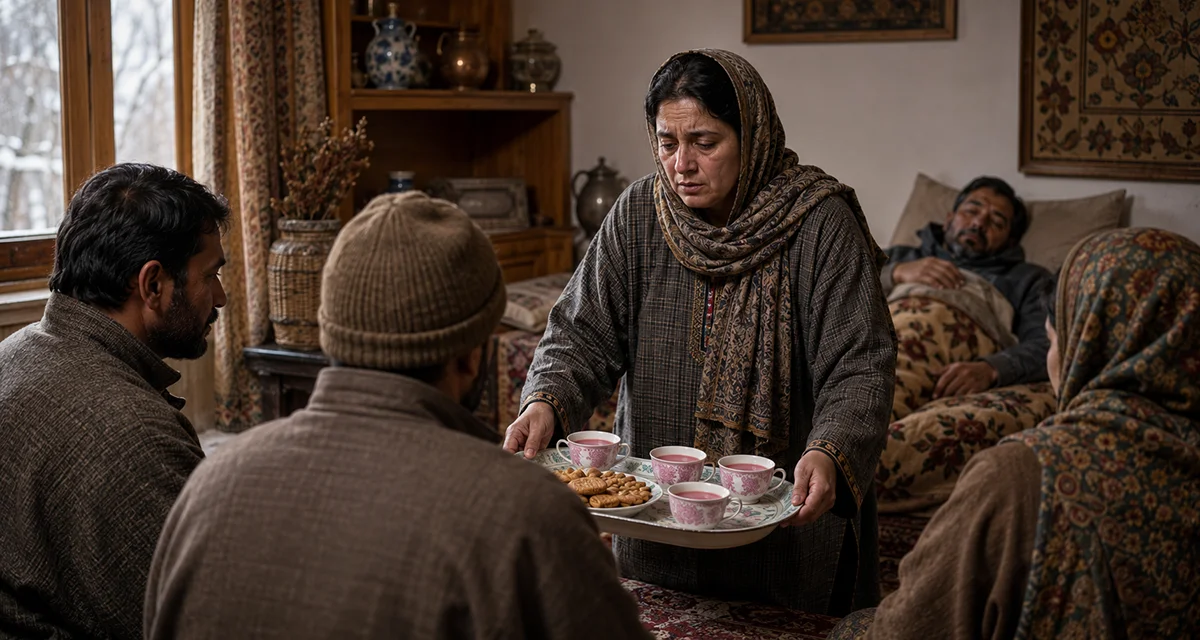
When there is a patient at home, the family is already tired, worried, and emotionally drained. They may be spending sleepless nights in hospitals, managing medicines, arranging tests, taking care of children, or simply trying to keep themselves strong. In such moments, visitors should reduce their burden. Sadly, in many cases, the family ends up feeling responsible for hosting everyone properly.
Tea has to be served. Snacks have to be arranged. Sometimes even full meals are expected. In hospitals too, attendants and family members are often seen trying to manage visitors while the patient needs rest and the caregivers need peace. What begins as a visit of concern sometimes turns into an additional responsibility for the already exhausted household.
This is where we need to pause and ask ourselves: are we truly helping, or are we adding more pressure?
A visit to a sick person should not become a test of hospitality. It should not matter whether the tea was perfect, whether there were enough snacks, or whether the family served lunch or dinner. At such a time, the focus should be on the patient’s recovery and the family’s comfort, not on social formalities.
The simplest acts can be the most meaningful. Calling before visiting, keeping the visit short, avoiding meal times, refusing tea or food politely, and allowing the patient to rest can make a big difference. Even better, visitors can carry cooked food, soup, fruits, medicines, or other essentials. If the family has children, one can offer to help with school runs, homework, or meals. If the patient is hospitalized, close family members can take turns staying with the patient so the main caregiver can rest for a while.
Real care is not in sitting for hours and being served. Real care is in asking, “How can I make this easier for you?”
There is also a need to normalize phone calls as a form of care. Not every illness requires a physical visit, especially when the patient is weak, vulnerable, or at risk of infection. Sometimes a thoughtful phone call, a message of prayer, or sending food quietly is far more respectful than arriving unannounced with expectations.
Our society also needs to rethink the timing of visits. Going to someone’s house at breakfast time, lunch time, or late evening can create unnecessary stress. The family may not say anything out of respect, but they may be struggling inside. A considerate visitor should understand that illness changes the rhythm of a home.
This does not mean that we should stop visiting the sick altogether. Visiting the unwell is a noble act. But nobility lies in sensitivity. If our presence causes more work, more anxiety, and more exhaustion, then we need to change the way we show concern.
Kashmiri culture is known for warmth, hospitality, and deep community bonds. These values are precious. But culture should also evolve when certain customs begin to hurt people silently. Hospitality should never become a burden during illness, grief, childbirth, or recovery.
A better tradition can begin with small steps:
Visit only after informing the family. Stay for a short time. Do not expect tea, snacks, or meals. Carry something useful. Offer practical help. Let the patient rest. Let the caregivers breathe.
Sometimes, the most compassionate thing we can say is: “Please don’t serve anything. We came only to ask about your health and pray for your recovery.”
That one sentence can bring relief to a tired family.
It is time to redefine “Khabrei Gaczhun” in Kashmir. Let it mean support, not stress. Let it mean kindness, not formality. Let it mean showing up in a way that heal
